Trust the Noosa solar hot water specialists.
We fit, service and replace both roof-mounted and split solar hot water systems—quickly, to code, and engineered for longevity.
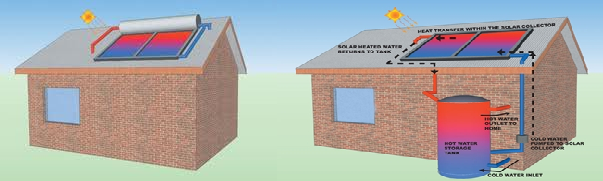
Solar hot water systems are available in two distinct designs
Solar hot water systems come in two primary configurations—roof-mounted and split—offering a range of tank capacities and layouts to match different houses, climates and sites. Aside from cutting your environmental footprint, the main benefit is the noticeable reduction in your energy bills.
Electric hot water units operate like a kettle, using a heating element, and in Queensland are typically offered in 1.8kW, 2.4kW and 3.6kW ratings (with 4.8kW elements rarely used because of their heavy power demand). These element sizes are standard across leading brands such as Rheem, Dux, Vulcan, AquaMAX and Rinnai.
Bear in mind that element size doesn’t affect the system’s efficiency rating. A 1.8kW element uses half the power of a 3.6kW element, but will require roughly twice the time to raise the same volume of water to the same temperature.
Contemporary electric hot water systems are constructed with either:
Mild steel tanks coated in vitreous enamel and safeguarded by a sacrificial anode, or
Stainless steel tanks for greater longevity.
Traditional copper-style water heaters are no longer manufactured.
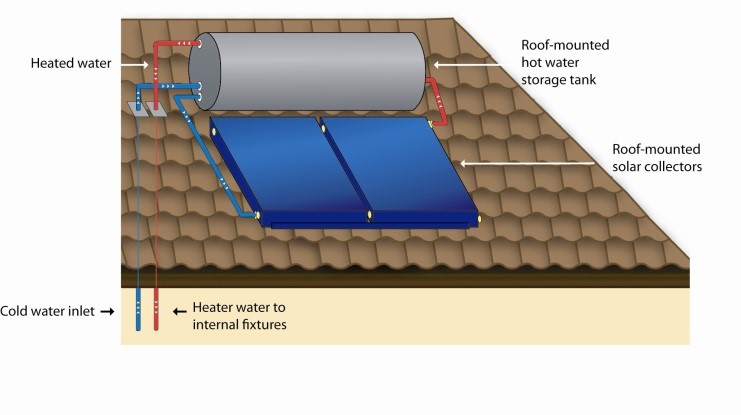
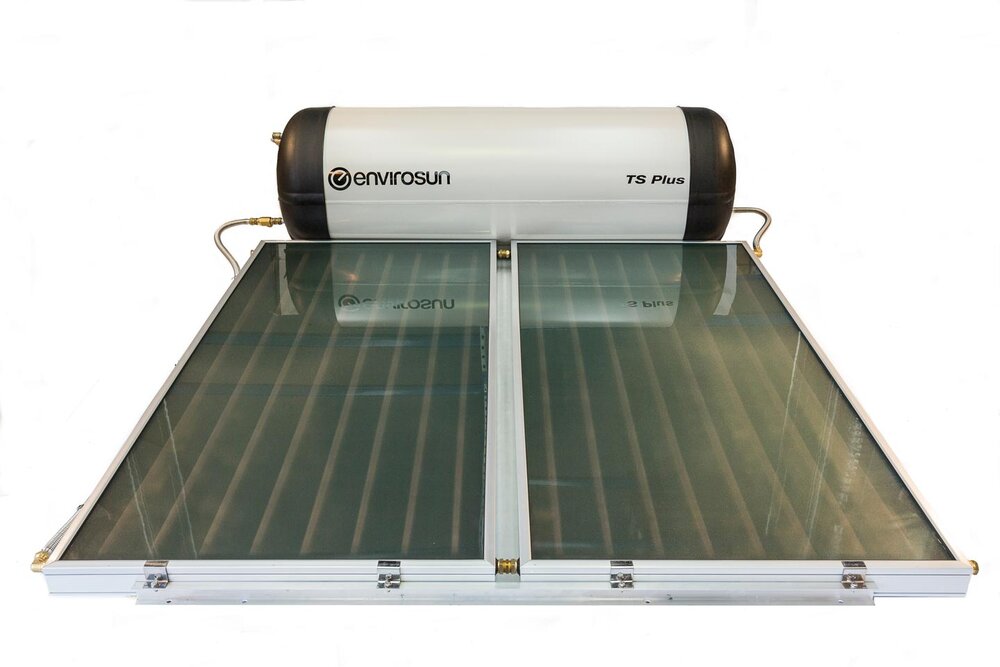
Roof-mounted thermosyphon solar hot water systems.
Roof-mounted solar hot water systems
This classic solar hot water arrangement places both the storage tank and the solar collectors up on the roof. It’s a long-established method across Australia and still a reliable way to generate hot water.
How they operate
These units rely on simple thermosyphon principles:
Cooler water settles at the base of the tank and flows down into the solar collectors.
As the water in the collectors warms, it becomes buoyant and returns to the storage tank.
This ongoing natural circulation maintains a supply of hot water.
Modern upgrades
Older designs often discharged excess water through the pressure and temperature relief valve during overheating. Current thermosyphon models typically include a flow control valve that limits circulation once water reaches around 60°C.
That reduces wasted water but can mean the system holds slightly less stored hot water than older versions.
On very hot days you may sometimes hear a rumbling when taps are opened — this is caused by superheated water moving through the collectors as pressure drops.
Tank and collector choices
Collector size varies by manufacturer, giving different levels of solar heat capture.
Evacuated tube collectors are generally not recommended for Queensland conditions because they can overproduce heat and risk boiling off water for much of the day; they’re better suited to cooler, less sun-intense regions.
Storage tanks are offered in stainless steel or vitreous enamel–lined mild steel options.
Considerations
The primary downsides of roof-mounted systems are their weight and appearance:
A full storage tank can exceed 500 kg, which imposes a substantial load on the roof structure.
Many homeowners also dislike the look of a large tank visible on the roof.
Call Noosa Hot Water on 1300 218 122 for clear, professional advice on which solar hot water system — installation, repairs or replacement — will suit your home. We service hot water systems, gas and electric units and provide experienced Noosa plumber support.
Ground-mounted split-system solar hot water units
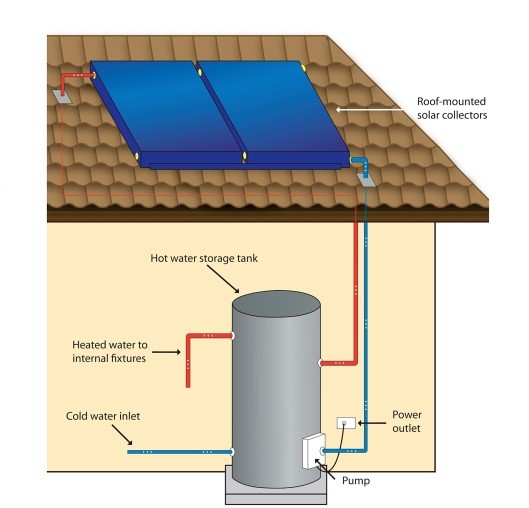
A split solar hot water system locates the storage tank at ground level while only the solar collectors are roof-mounted. Collectors may be flat panels or evacuated tubes — however evacuated tubes are generally unsuitable for Queensland, as they can overheat, lose water to boiling and produce avoidable rumbling noises.
How they work
Storage cylinders typically come in 250L, 315L and 400L capacities.
A temperature sensor at the collectors and another at the tank track the difference in heat.
When the collectors are around 10°C warmer than the tank, a small circulation pump (usually 25W or less) starts, moving roughly 2–3 litres per minute through the collector loop.
This process transfers heat from the collectors into the tank, and natural convection causes the hottest water to rise to the top.
The pumps run quietly and draw very little electricity — often using less power over a day than your microwave clock.
Build & installation
Copper flow and return piping should always be used to withstand high temperatures.
At Noosa Hot Water, we install these pipes as a single continuous run with no joints or fittings inside the roof cavity, and insulate them with 25mm high-temperature, UV-rated insulation to minimise heat loss.
Performance
Collector temperatures can reach up to about 120°C, and some systems permit storage tanks to get as hot as 75°C.
Once the tank reaches its set temperature, water stays in the collectors until demand lowers the tank temperature enough to restart circulation.
Why quality matters
Selecting a trusted brand is essential. Many low-cost imports with inferior components have led to significant problems and unexpected repair bills. The extra cost for a dependable system is small compared with the long-term reliability and peace of mind.
Contact Noosa Hot Water on 1300 728 122 for straightforward, impartial guidance on choosing the right solar hot water system for your home.
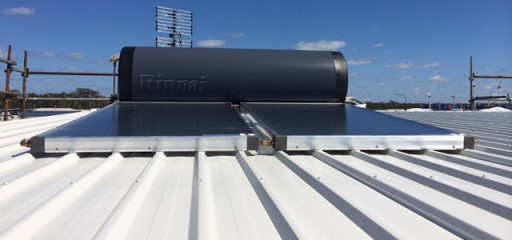
Roof Mounted Solar Hot Water Heater
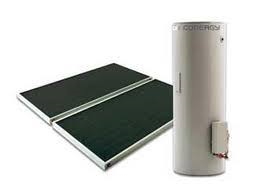
Split solar hot water heater
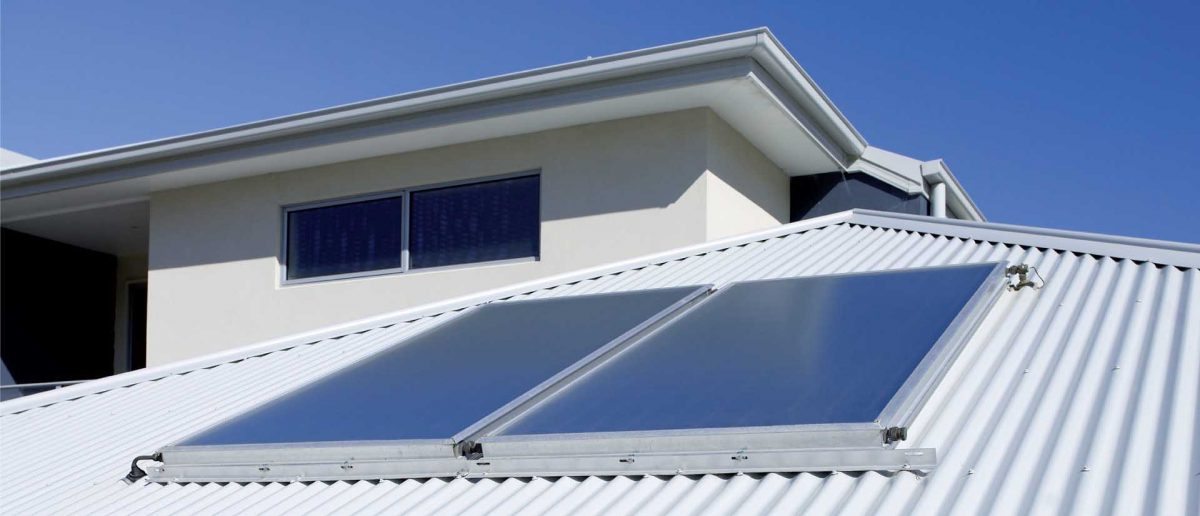
Flat panel solar hot water collector
Flat-panel solar collector
Flat plate collectors are the most widely used solar hot water panels in Australia and work well in almost any climate or setting.
How they operate
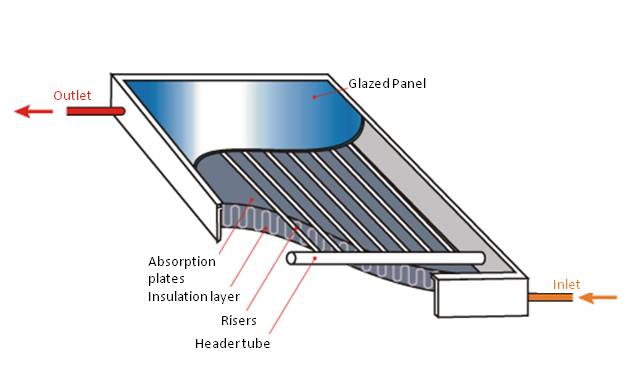
Each collector contains a copper manifold with flat plates finished in black powder coat to capture as much heat as possible.
Water moving through the copper tubes is warmed either by:
Thermosyphon circulation — used in roof-mounted systems and relying on the natural rise and fall of hot and cold water; or
A circulation pump — used in split systems where the storage tank sits at ground level.
The collectors are sealed behind toughened glass and a fully insulated frame to retain heat and provide durable performance.
Efficiency
These panels can produce heat even when sunlight is not direct.
On cloudy days they can still heat water to roughly double the ambient temperature — for instance, with 26°C air, the panels may raise water temperature to about 52°C.
Installation
Panel quantity is determined by the size of your storage tank.
Typically two to three panels are needed to suit common hot water system capacities.
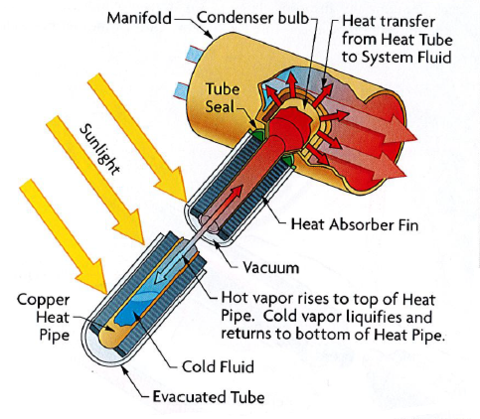
Evacuated tube collectors consist of multiple glass tubes, each housing a copper heat pipe filled with a thermal transfer fluid. The tubes connect into a top-mounted manifold on the collector, where solar heat is absorbed and conveyed to the storage cylinder.
System design
These systems come in sets of 12, 18, 24 or 32 tubes, chosen to match the size of the hot water tank and the specifics of the installation.
Very high efficiency—tube surfaces can reach temperatures up to about 250°C in direct sunlight.
Suitability
They are engineered mainly for cooler European-type climates with weaker winter sun and lower solar angles.
They perform effectively in Australia’s cooler areas such as southern NSW, Victoria, South Australia and southern WA.
In Queensland, though, they tend to be overly efficient, which can cause overheating, increased water loss and boiling noises from the tubes.
Considerations
Only a small number of Australian suppliers continue to offer evacuated tube systems.
Typically they cost roughly $1,000 more than flat plate collectors and don’t provide notable advantages in Queensland’s climate.
For most Noosa homes, we advise against evacuated tubes; flat plate hot water systems usually offer superior value and performance for local conditions.
Call Noosa Hot Water on 1300 728 122 for professional, impartial, evidence-based guidance from a local Noosa plumber with over 20 years’ experience serving South East Queensland.
You can call us weekends and after hours on 0413 861 166
At Noosa Hot Water, we carry a broad selection of solar hot water systems on-site for prompt installation. Because we stock the leading models we supply, you won’t have to wait for delivery — your new hot water system can be fitted without unnecessary delays.
We also provide Easy Payment Plans to help spread the upfront cost. With terms ranging from 1 to 3 years and fortnightly repayments following a small deposit, repayments can be comparable to the savings you’ll see on your electricity bills.
Noosa Hot Water provides and fits solar hot water systems throughout Noosa—efficient, code-compliant, and designed for longevity.
Solar hot water heater quotes Brisbane and Solar hot water systems Sunshine Coast prices,
Envirosun solar hot water specialists and dealers Brisbane and Sunshine Coast
Rheem solar hot water Sunshine Coast
Rheem solar water heaters Brisbane
Rinnai solar hot water Sunshine Coast
Rinnai solar hot water heater Brisbane
Solahart solar hot water systems replacements and repairs
Dux solar hot water systems Brisbane, Bribie Island, Sunshine Coast and Gympie
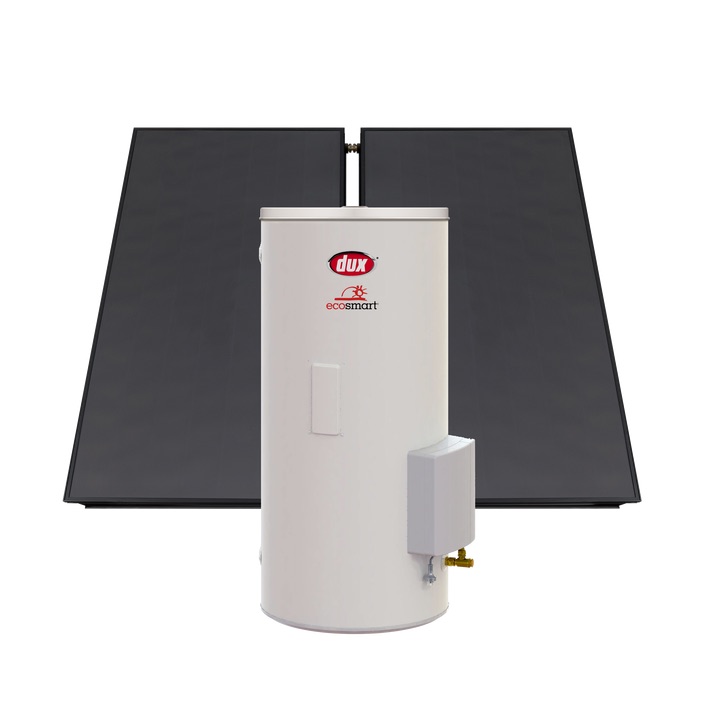
Ecosmart solar hot water system specialist
Ecosmart solar hot water repairs and replacements
Apricus solar hot water system repairs and replacements Brisbane and Sunshine Coast
Authorised Bosch service and warranty agents
Bosch solar hot water
Why Choose Noosa Hot Water?
Workmanship Guarantee
We guarantee the quality of our workmanship for the lifetime of the job.
Fully licensed and insured
We stand behind our trades with a lifetime workmanship warranty.
Over 25 Years’ Experience
We stand behind our craft with a lifetime warranty on every job we complete.
Impeccable Service
We stand behind our work with a lifetime workmanship guarantee.
Free no-obligation quotes
We stand behind every job we do with a lifetime workmanship guarantee.